

Prince Edward Island is a favorite destination for RVers from across North America. Located on the east coast of Canada, Prince Edward Island is known for its natural beauty, miles of sandy shoreline and delectable culinary scene. This is the place for an adventure-filled vacation or a relaxing retreat at a slower pace.
The Island, as it is affectionately named, always leaves a big impression on visitors. Its size and shape mean you can plan your tour to begin at one entry point and end at another. Arrive via the Confederation Bridge from New Brunswick anytime or sail with Northumberland Ferries from Nova Scotia across the Northumberland Strait from May to December.
Equestrian adventures on Prince Edward Island.
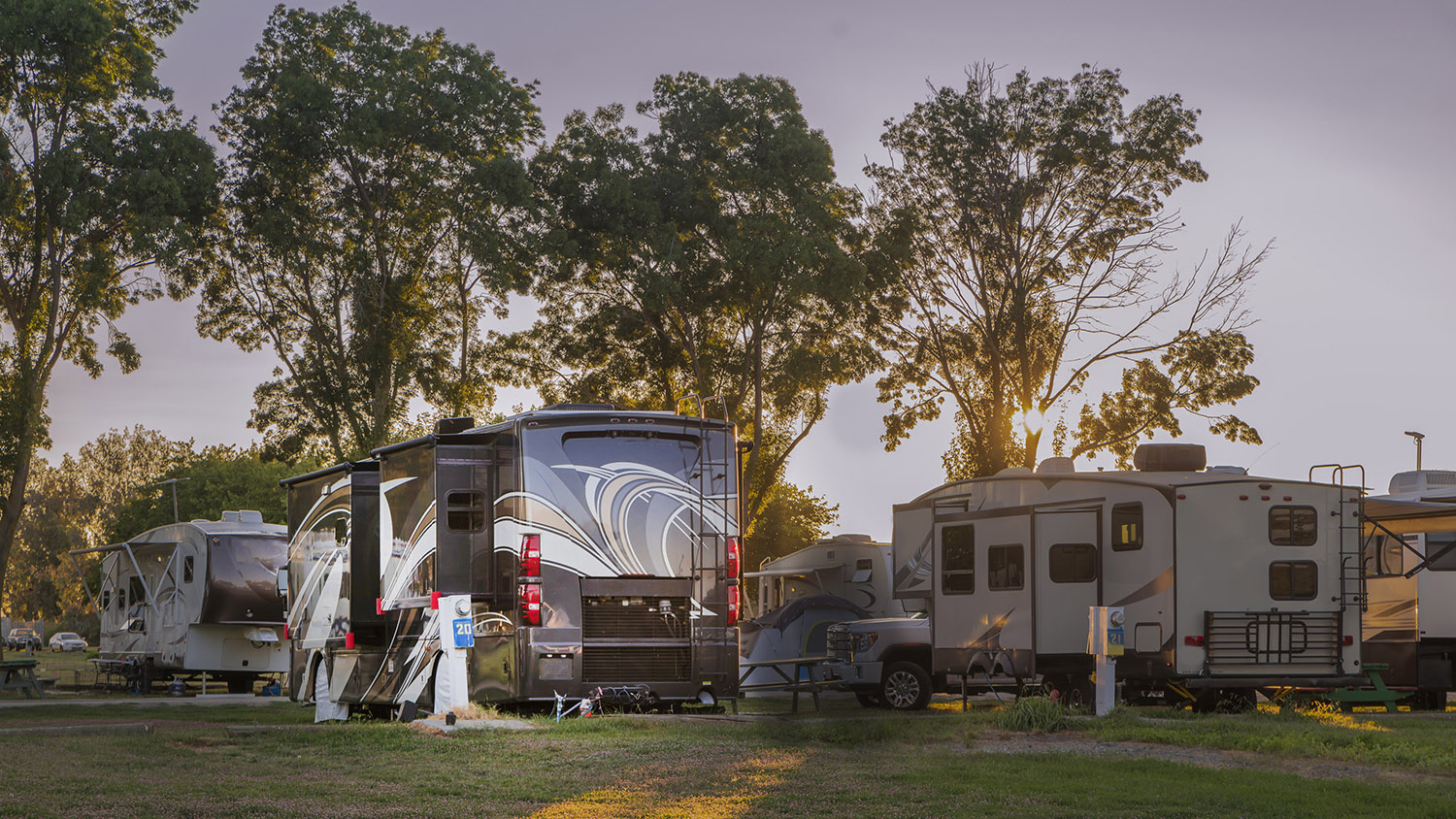
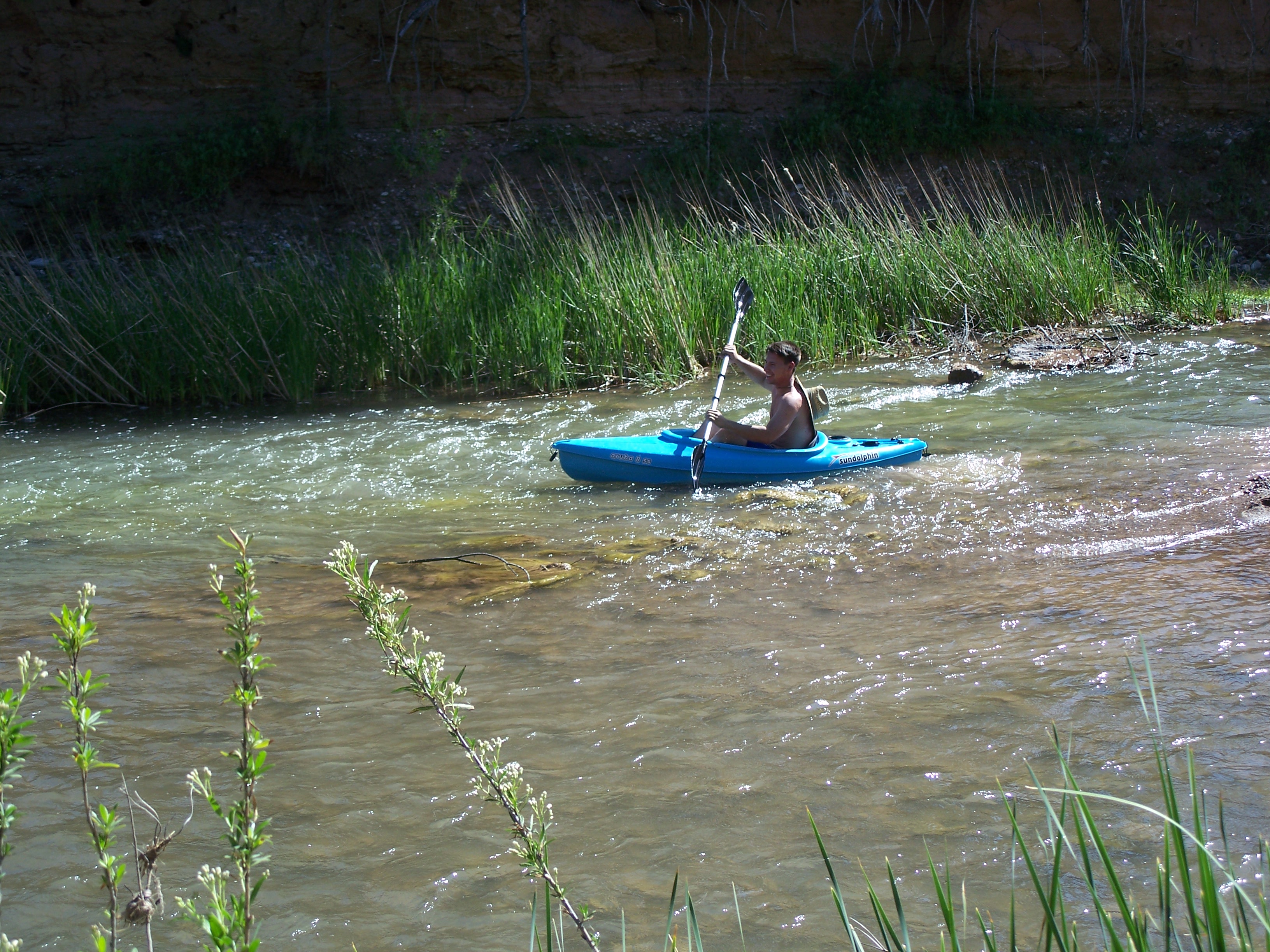
Prince Edward Island has so much to offer RV vacation enthusiasts, including eight provincial campgrounds. Brudenell River Provincial Park is the largest campground in the eastern region, with scheduled children’s programming each day as well as a marina and river beach for all ages to enjoy. Horseback riding, kayaks and paddleboards are available for a fee on the premises. Within walking distance is a resort with two championship 18-hole golf courses and a spa.
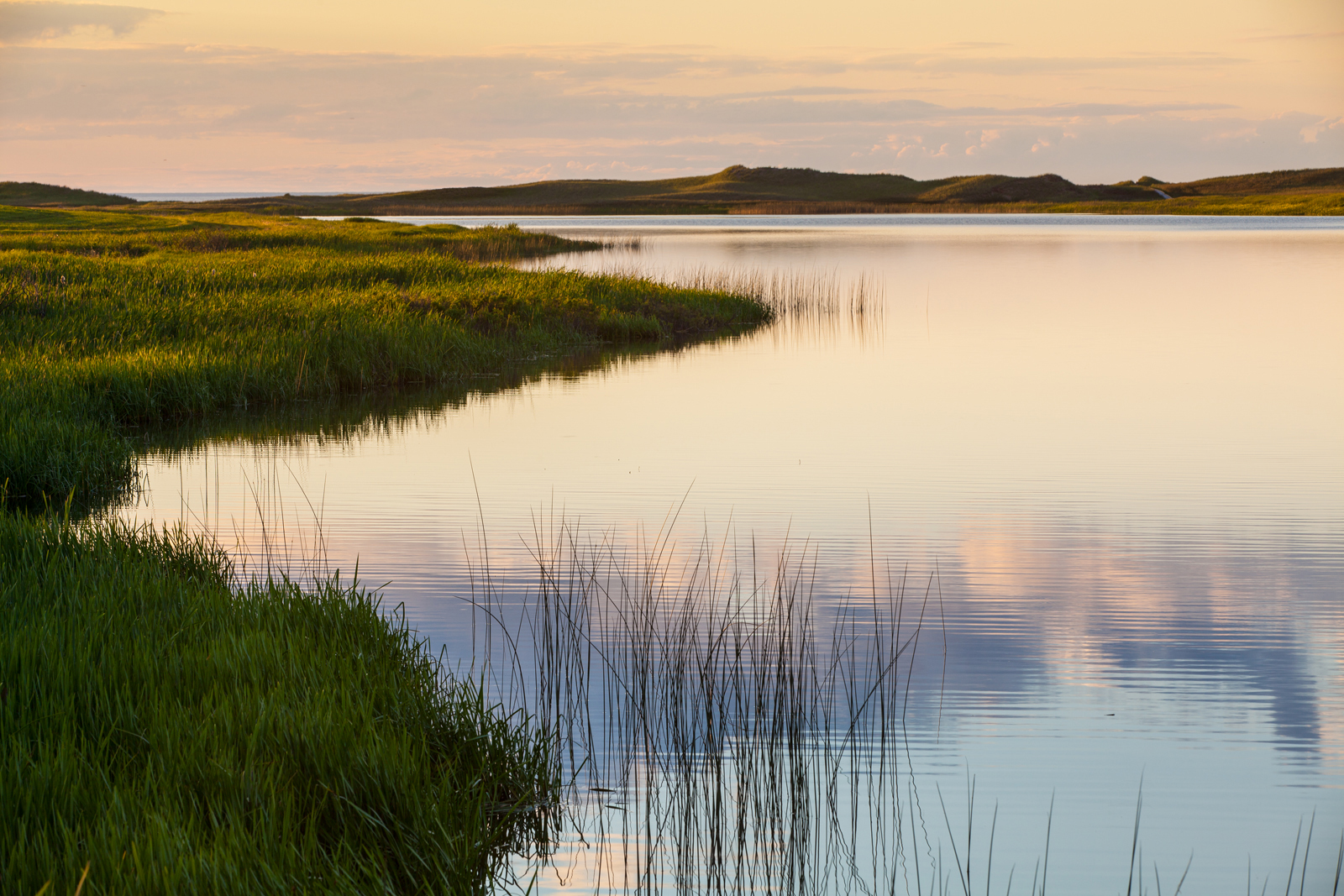
Also in the east, Red Point Provincial Park offers a supervised beach nestled on the Northumberland Strait and only 10 minutes to the seaside town of Souris. Local beaches are well known for digging clams and beachcombing for sea glass.
Copyright
© Good Sam Camping Blog